Electric Jetboard vs Gas Jetboard vs eFoil: Which Should You Buy?
Short answer: choose an electric jetboard if you want surf-style carving on the water surface with quiet, emission-free power and simple upkeep; a gas jetboard if you need fuel-based range and accept noise, exhaust and engine service; and an eFoil if you want silent flight above the water and are ready for a longer learning curve.
Key facts
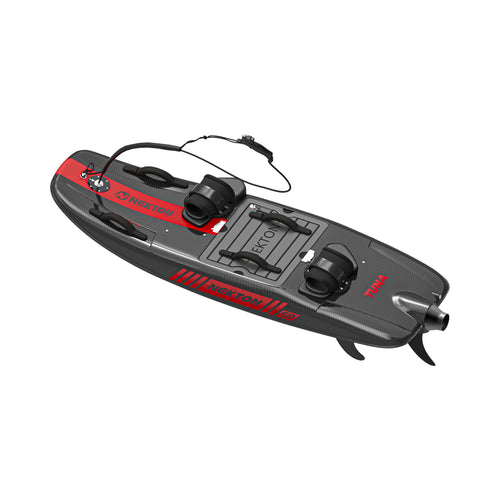
- An electric jetboard (also called an electric surfboard, jet powered surfboard or motorized surfboard) rides on the surface and is pushed by a water jet.
- An eFoil lifts the board above the water on a hydrofoil wing and is driven by a propeller under the mast.
- NEKTON S8: composite fiber, 45 km/h, 40–60 min ride time, 120 kg max load, 24 kg board.
- NEKTON S9: gloss dry carbon, 55 km/h, 50–90 min ride time, 130 kg max load, 20 kg board.
- All NEKTON models share one in-house power system: 15 kW rated / 20 kW peak motor, 5402 Wh 74V 73Ah battery, IP67, 316 stainless jet drive.
- Warranty: 18 months for personal use, 12 months for commercial or rental use, from delivery to the first end user; the battery has the same terms.
The short answer for buyers
All three are motorized boards, but they deliver very different rides. An electric jetboard feels closest to surfing a wave that never ends: you stand, lean and carve on the surface. A gas jetboard gives a similar surface ride but runs on a combustion engine. An eFoil trades surface carving for a smooth, quiet glide above the water once the foil lifts. Which one is right depends on how you want to ride, where you ride and whether the board is for you or for a rental fleet.
How each one works
Electric jetboard
A battery feeds an electric motor that spins an impeller inside a jet housing. Water is drawn in under the board and pushed out at the back, so the board planes on the surface without an open propeller. Riders control speed with a hand throttle; on NEKTON boards it is a wired (tethered) throttle for safety. NEKTON electric jetboards use a 316 stainless steel jet drive, direct water cooling and an IP67-rated power system.
Gas jetboard
A gas jetboard uses the same surface-riding idea but with a small combustion engine. Owners plan around fuel, oil, exhaust, engine noise and regular engine servicing, and some lakes and marinas restrict combustion engines. For buyers who want a surface ride without these trade-offs, electric power has become the main alternative.
eFoil
An eFoil has an electric motor and propeller mounted on a mast below the board, attached to a hydrofoil wing. Once it reaches speed, the wing lifts the board above the water for a calm, nearly silent glide. It is a beautiful feeling, but balancing on the foil takes practice, and the mast needs enough water depth. It is a different sport from surface carving rather than a direct replacement.
Side-by-side comparison
| Electric jetboard | Gas jetboard | eFoil | |
|---|---|---|---|
| Ride style | Surface carving, surf-like | Surface carving, surf-like | Gliding above the water |
| Learning curve | Most riders stand up quickly | Similar to electric | Longer; foil balance takes practice |
| Noise and emissions | Quiet, zero local emissions | Engine noise and exhaust | Very quiet, zero local emissions |
| Upkeep | Rinse, charge, inspect | Fuel, oil and engine service | Rinse, charge, check foil and propeller |
| Best for | Riders who love speed and carving; rental fleets | Users comfortable with engine care | Riders seeking a calm, flowing glide |

Which NEKTON model fits you
If the electric jetboard is your answer, the next question is which board. Every NEKTON model shares the same battery, motor controller and motor platform, developed and tuned in-house and tuned for each model, so the choice comes down to how you ride.
- NEKTON S8: composite fiber, 45 km/h top speed, 40–60 minutes of ride time and a 120 kg max load. It is the model we position for rental and commercial operations and for riders who want a forgiving first board.
- NEKTON S9: a gloss dry carbon board weighing 20 kg, with a 55 km/h top speed, 50–90 minutes of ride time and a 130 kg max load. It is made for serious surf enthusiasts who value premium materials and craftsmanship.
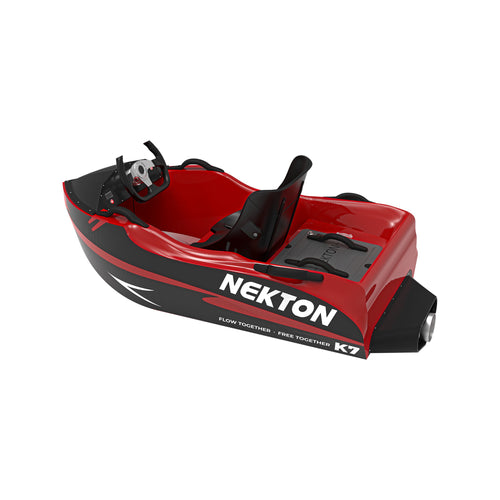
- NEKTON K7 PRO: a sit-in electric jet kart boat rather than a board, at 45 km/h with 40–50 minutes of ride time and a 120 kg max load. It lets guests who prefer to sit enjoy the same power system, which makes it a natural partner for the S8 in resort water sports rental.
- S9 Pro: a matte carbon flagship that is coming soon. Details will be announced at launch.
Questions to ask before you buy
- Where will you ride? Calm lakes, bays and resort lagoons suit all three; shallow water favors surface boards over a foil mast.
- How much charging time fits your day? NEKTON batteries charge in about 3 hours, or 2 hours with fast charging, and are rated for 1500 cycles.
- What does the warranty cover? NEKTON products are warranted against material and workmanship defects under normal use and proper maintenance for 18 months (personal use) or 12 months (commercial or rental use), from delivery to the first end user; the battery is covered on the same terms.
- Is the throttle safe? NEKTON uses wired (tethered) throttles only.
- Who supports you locally? Resorts, rental operators and dealers can contact the NEKTON team about distribution and wholesale partnerships.
Frequently asked questions
Is an electric jetboard easier to learn than an eFoil?
For most riders, yes. An electric jetboard rides on the surface like a surfboard, so you can start slowly and build confidence. An eFoil requires learning to balance once the foil lifts the board.
Is an electric jetboard as fast as a gas jetboard?
Electric jetboards can be very fast. The NEKTON S8 reaches 45 km/h and the NEKTON S9 reaches 55 km/h, with instant electric torque and no engine noise.
Which is better for a resort water sports rental?
For rental fleets we recommend surface-riding electric models. The NEKTON S8 and the K7 PRO electric jet kart boat are positioned for rental and commercial use and share one in-house power system, which keeps training and spare parts simpler.
Can I ride an electric jetboard in salt water?
Yes. NEKTON boards use an IP67-rated power system and a 316 stainless steel jet drive. Rinse the board with fresh water after each session as part of proper maintenance.
Still deciding? Explore our electric jetboards or contact the NEKTON team for advice on the right board for you or your fleet.